

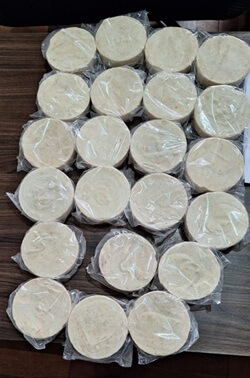
A simple organic soap is transforming lives in the Ecclesiastical District of Sofala in northern Mozambique. The medical soap has become a symbol of hope, health, and economic autonomy for dozens of families.
The initiative, led by United Methodist women, has gained crucial relevance in the post-natural disaster context (including cyclones Idai and Eloise). Faced with the destruction and outbreak of diseases such as cholera, groups of women have come together in cooperatives to manufacture handmade soap using local resources to ensure community hygiene and the livelihood of their families. The soap uses natural ingredients with proven benefits for the skin, such as coconut oil, native medicinal plants, and wild plant seeds, and helps prevent diseases caused by poor hygiene.
The effort is an opportunity to generate income and strengthen the role of women in the community. Project leader Marta Uaciquete Bando emphasizes that the initiative goes far beyond soap production. She said, "The project strengthens women, offering technical knowledge and notions of financial management so that they can produce, sell and generate income to support their families."
The initiative also demonstrates that the church can promote the Gospel through concrete actions of health care and human development. While they make soap, space is opened for a devotional and the women receive biblical teachings that contribute to spiritual transformation.
Supporting more than 60 families
The impact of the project is already visible in several communities, with more than sixty families directly benefiting from the initiative. In addition to solidarity distribution to families in need, the women receive practical training on soap production processes, as well as storage, packaging, and marketing. These skills allow each participant to participate in this sustainable economic activity.
Jacob Jenhuro, Episcopal Assistant of the Mozambique North Conference, said, "The medical soap production helps promote the health, hygiene, and economic development of families. Empowered, confident women with economic autonomy become even stronger pillars in leadership and faith transmission within the Church.”
He also added that the project seeks to train women since many are challenged with a lack of employment. Participants have come to see soap making as an opportunity to create a source of income to support family expenses, children's education, and other basic needs. It also helps young women abandon habits of premature marriage.
Helena João Magule, a beneficiary member of the community of Munhava, shared her joy, "Thanks to this medical soap project, which I feel is a true divine blessing in our lives, our community has gained health, my home economy prospers every day, and we women have conquered our autonomy. My sisters in the community, I invite you to embrace similar projects. This is a true work of God that heals bodies, strengthens the home, and enables us to transform society through faith and work."
Bringing Jesus’ healing ministry to life
"Jesus healed the sick and fed the hungry while preaching. The manufacture of medicinal soap aligns the Church's action with Jesus' healing ministry," said Marta Ricardina Vilanculos Cossa, Sofala District Superintendent.
Cossa pointed out that the project demonstrates the love of God in a tangible way. By responding to a basic need for health and hygiene, the Church gains the sympathy and respect of the local community, opening doors to share the Gospel and reaching people who would not usually enter a church. The product becomes a bridge of contact and dialogue between United Methodist women and the surrounding community.
The success of the initiative in Sofala is opening doors elsewhere. "The project results in the numerical and spiritual growth of the Church and gives the women a sense of purpose. Teamwork in the manufacture of soap serves as an informal space for discipleship, communion, and sharing of faith experiences,” Cossa said.
The project is in the process of expanding to the Manica District, taking the community production model to other regions of The United Methodist Church in northern Mozambique. Church leaders believe that this expansion will benefit more families, strengthen women's groups, and create additional employment opportunities and income generation.
Seeking support for growth
Despite the positive results, the project faces challenges related to the acquisition of raw materials, production equipment, and packaging materials.
“Increasing funding for these initiatives by interested donor organizations will increase the production of medical soap on a larger scale, by acquiring adequate equipment to improve the manufacturing process, expanding training to more women, improving the packaging and marketing of the product, and taking the project to new districts and communities, strengthening its social, economic, and community impact,” Bando explained.
For this work of God to continue to transform lives, The United Methodist Church appeals to partners, institutions, and people of goodwill who seek to strengthen female autonomy and domestic prosperity in new districts and communities. To support this project, contact The United Methodist Church in Mozambique at [email protected].
Francisco Tivane, communicator of the North Mozambique Conference. Edited and translated by Ezequiel Nhantumbo, Lusophone correspondent for United Methodist Communications, based in Maputo.
This story was published on October 20, 2026. The contact is Laura Buchanan.


