
Lead Courageously

A bi-weekly newsletter about faith, service, and connection in The United Methodist Church
Featured Stories


Find responses to frequently asked queries or Ask The UMC your question.
Around The United Methodist Church
New to the area? Looking for a different worship style? A smaller congregation? Find-A-Church is an online directory featuring thousands of sortable United Methodist churches. Find the perfect church for you with Find-A-Church.

Your official source of comprehensive information and news about The United Methodist Church, UM News reports with objectivity and includes the many
voices, views and contexts of the denomination.
Get the Latest Updates

We give because Jesus invites us to.
Jesus says it this way, “You shall love your neighbor as yourself” (Matthew 19:19b). Discover how your gifts make a difference in lives across the globe.
This is the home of inspiration and practical information for church leaders. Find mission and ministry resources, tips, how-tos, stories, podcasts and much more from across the connection.

This site depends on you.
United Methodist Communications works to share the message of Jesus Christ. We also equip United Methodists worldwide with tools and resources so that they can better connect with their communities in order to change lives.
Sponsored


Sponsored
Be Inspired

Hispanic Heritage Month is meant to be more than shared food and music. It's a call to learn history, listen to Hispanic and Latino voices, and build lasting relationships.
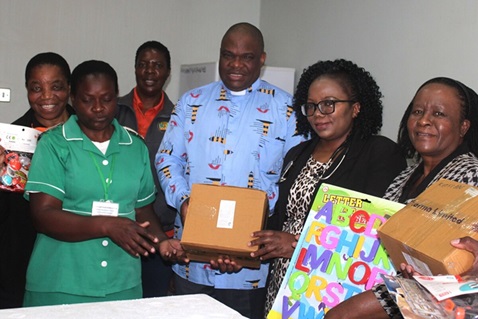
The UMC Harare East District Laity recently brought gifts of chemotherapy medication, toys, food, and hope to the only pediatric cancer ward in Zimbabwe.

The Pressley STEM Foundation’s satellite lab at Mt. Zion UMC in Philadelphia boosts learning, innovation, engagement, and equity.
The United Methodist Church forms disciples of Jesus Christ who, empowered by the Holy Spirit, love boldly, serve joyfully, and lead courageously in local communities and worldwide connections.
Sponsored


